AI Voice Agent for Fire Sprinkler Companies
The fire protection industry faces rising demands from stricter codes, growing system needs, and regulatory compliance. In this high-stakes environment, clear and accurate communication is essential for safety. Fire sprinkler companies must respond quickly to emergencies, manage inspections, and maintain proper documentation, but traditional service models struggle to keep up.
An AI voice agent for fire sprinkler companies changes this by streamlining call workflows, handling emergency triage, automating scheduling, and supporting compliance. This sets a new standard for efficiency and reliability across fire protection operations.
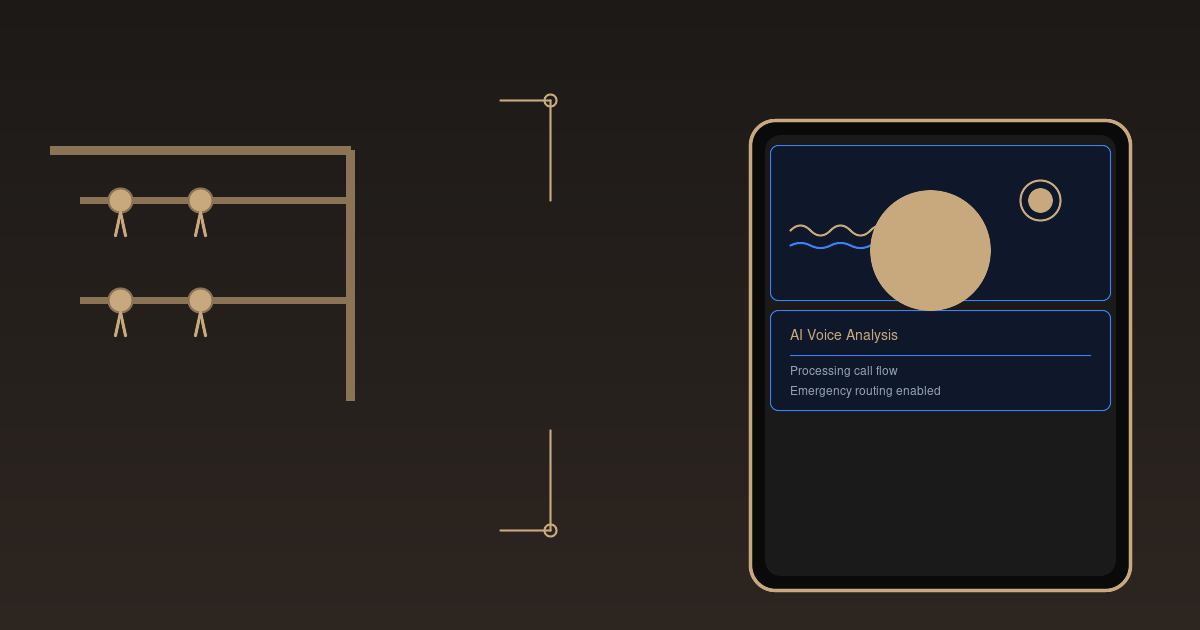
An AI voice agent for fire sprinkler companies is an automated call handling system that answers every incoming call in real time, triages emergencies by detecting system trips and active water flow, routes urgent calls to on-call technicians with full location and issue details, and schedules non-urgent inspections and maintenance automatically. It replaces voicemail and answering services with structured, 24/7 call workflows built specifically for fire protection operations. Ironback.ai deploys these systems in two weeks with a full assessment and workflow build.
What Is an AI Voice Agent for Fire Sprinkler Companies?
Fire sprinkler contractors deal with two types of calls: urgent problems and scheduled services. An AI voice agent is an automated system built to handle both without delay. It answers calls, identifies caller needs, and routes emergencies or schedules services in real time. AI voice agents separate emergency calls from routine requests instantly, route urgent issues to on-call technicians through automated alerts, and schedule non-urgent calls automatically with confirmation sent to the caller.
How AI Voice Agents Work in Fire Protection
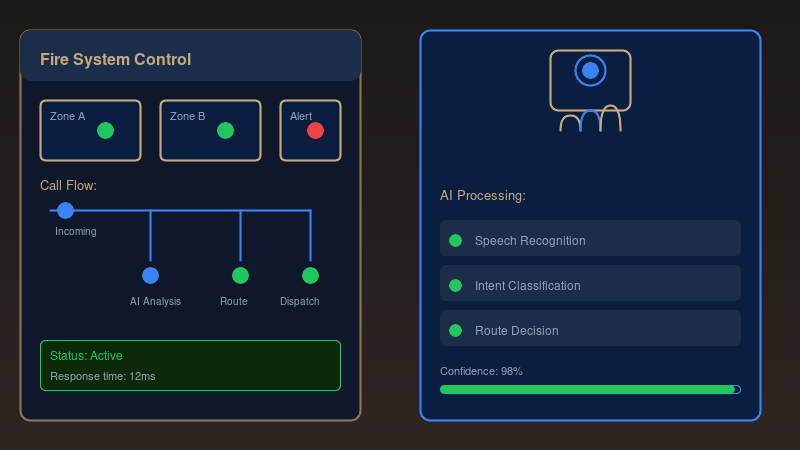
AI voice agents use voice recognition, decision logic, and automation to manage incoming calls. They are trained specifically for fire protection workflows, not general conversations. They understand what the caller needs, ask simple follow-up questions, decide what action to take, and trigger workflows like dispatch or scheduling. This allows fire sprinkler companies to handle calls without relying on manual sorting.
Why Call Handling Needs Structure
Fire sprinkler calls are not equal. Some require immediate response, while others can wait. Without structure, teams waste time or miss urgent cases. AI voice agents introduce structure by classifying calls instantly, following predefined workflows, and reducing confusion during high-pressure situations. This makes operations more predictable and easier to manage.
How AI Voice Agents Handle Fire Sprinkler Calls
Handling calls properly requires clear steps. AI voice agents follow a defined process from the moment the phone rings.
Emergency Call Triage: System Trip vs Inspection Request
Every incoming call is analyzed to determine urgency. This is the most important step in the entire process. The system identifies whether a sprinkler system has been triggered, if water flow is active, and whether the issue is a scheduled inspection. Based on this, calls are categorized into emergency or non-emergency. This step ensures urgent problems are not delayed by routine requests.
Routing Emergencies to On-Call Technicians
Automated response workflows in fire protection systems are designed to reduce delays by triggering immediate actions once a call is identified as urgent. These systems send real-time alerts to on-call technicians, include critical details such as location and issue type, and escalate communication if there is no response. According to MarketsandMarkets, the growing adoption of smart and automated fire safety technologies reflects a shift toward faster, integrated response systems, with the fire protection market projected to grow to USD 118.14 billion by 2030.
Scheduling Non-Urgent Calls Automatically
Not every call requires immediate action. Many customers call for inspections or maintenance. The system handles this by offering available time slots, booking appointments directly, and updating internal schedules. This reduces back-and-forth communication and keeps schedules organized.
Sending Branded Confirmation to Callers
After the call is handled, the system confirms the outcome. It sends appointment confirmations, a summary of the issue reported, and next steps. This ensures the caller knows what will happen next, improving clarity and reducing misunderstandings.
AI Voice Agent vs Traditional Call Handling Methods
Many fire sprinkler companies still rely on older systems. Understanding the differences shows why AI voice agents create a more structured and reliable way to handle calls.
AI voice agents respond immediately compared to voicemail delays of hours or days and answering services that take minutes to process.
Structured urgency detection versus manual voicemail review or basic human judgment from traditional answering services.
Complete automation of booking compared to voicemail systems that offer none and answering services with limited scheduling capability.
Predictable monthly costs versus low-cost voicemail with limited functionality or high per-minute costs of human answering services.
Reliable standardized responses every time versus voicemail greeting only or low consistency due to human error in answering services.
Voicemail does not guide the caller. It only records messages, which often leads to callers hanging up, incomplete details, and delayed responses. Without structure, important information can be missed.
Answering services depend on human operators who may not fully understand fire protection workflows. This can lead to inconsistent information, slower identification of emergencies, and higher operational costs.
AI voice agents focus on structured handling instead of general conversation. They respond instantly, follow consistent workflows, and ensure every call leads to a clear outcome, making them more reliable for both emergency and routine fire sprinkler situations.
Key Features of AI Voice Agents in Fire Protection
24/7 AI Answering Service for Fire Sprinkler Contractors
Fire emergencies do not follow business hours. The system must be available at all times. AI voice agents answer calls instantly at any hour, handle multiple calls at once, and maintain consistent performance. This ensures no call is left unanswered, whether it comes in at 2 AM or during peak hours.
Automated Call Handling for Fire Inspection Contractors
Routine service requests should not require manual coordination. Automation simplifies the process. The system captures customer details, books appointments, and confirms schedules. This reduces administrative workload and frees your team to focus on field operations.
Voice AI for Fire Code Compliance and Reporting
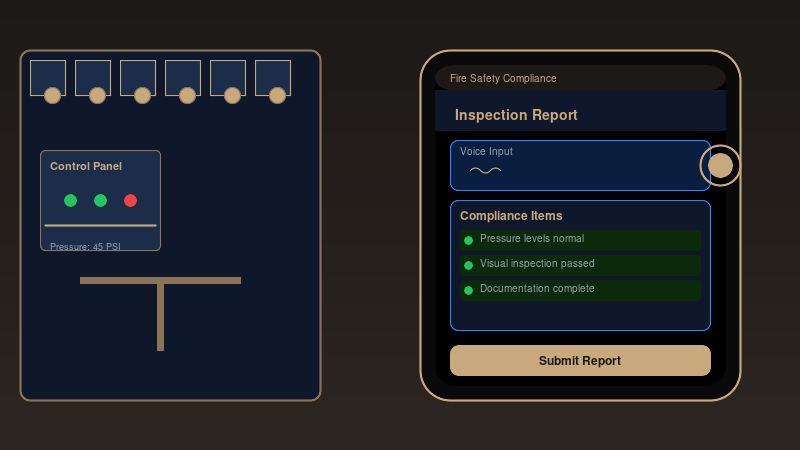
Compliance requires accurate documentation. AI voice agents help maintain records from every call by logging call details, storing interaction history, and supporting compliance documentation. This improves record accuracy and reduces the risk of missing critical information during audits.
Predictive Maintenance and Diagnostics Support
Some AI voice systems can identify patterns over time. This supports proactive maintenance strategies by detecting recurring issues, highlighting common failures, and supporting planning for preventive maintenance. This helps reduce unexpected system failures and improves long-term reliability.
Benefits of AI Voice Agents for Fire Sprinkler Businesses
Faster Emergency Response Time
Speed is critical in fire protection, where delayed responses can increase risk and damage during emergency situations. AI voice agents help reduce these delays by answering calls instantly, routing them without manual steps, and providing clear, structured information to technicians. According to Forbes Advisor, AI is becoming the backbone of customer service efficiency, with many business owners recognizing its impact on faster response times and improved communication.
Increased Lead Capture
Every call is a potential job. Missing calls means missing opportunities. The AI voice agent ensures every call is answered, every inquiry is recorded, and every request is processed. This prevents revenue leakage from unanswered after-hours calls.
Reduced Operational Load
Manual call handling takes time and resources. Automation reduces repetitive tasks, allowing teams to focus on field work, reduce administrative burden, and maintain consistent processes across the business.
Improved Customer Experience
Clear communication improves trust and reduces confusion. AI voice agents provide immediate responses, clear next steps, and consistent communication throughout the customer journey, from the first call to job completion.
Real-World Use Case: HVAC Industry as a Benchmark
HVAC companies deal with both urgent repairs and scheduled maintenance, similar to fire sprinkler businesses. They already use AI voice agents to separate emergency calls from routine requests, dispatch technicians quickly, and automate scheduling. Fire sprinkler companies face the same call structure. The same model applies directly, resulting in faster emergency handling, better scheduling efficiency, and clear communication with customers.
Implementation Timeline: Live in 2 Weeks
Adopting a new system often raises concerns about time. AI voice agents can be deployed quickly with a structured process.
Week 1: Assessment and Workflow Setup
The first step is understanding how calls are currently handled. This includes mapping call types, defining emergency logic, and creating response scripts. Your team works with Ironback specialists to document existing workflows and design the automated decision tree.
Week 2: Testing and Deployment
Once the setup is complete, the system is tested in real scenarios. This includes testing emergency workflows, verifying scheduling functions, and ensuring accurate responses. After testing, the system goes live and begins handling incoming calls.
Start With a Structured Assessment
At Ironback.ai, we build secure, automated workflows that support real fire protection operations without adding complexity. We map your process and build a system that handles calls the way your team works. Start with the $7,500 Assessment and your AI Voice Agent is built within 30 days.
Frequently Asked Questions
What is an AI voice agent for fire sprinkler companies?
An AI voice agent is an automated system that answers calls, identifies caller needs, and routes emergencies or schedules services in real time without human intervention.
How does an AI voice agent handle emergency fire sprinkler calls?
It uses structured questions to detect urgency by identifying system triggers and active water flow, then immediately alerts and routes the call to on-call technicians with critical location and issue details.
Can AI voice agents schedule fire sprinkler inspections automatically?
Yes. They offer available time slots, book appointments instantly, and send branded confirmations without manual coordination or back-and-forth communication.
Do AI voice agents support fire safety compliance documentation?
Yes. They log call details, store complete interaction history, and help maintain accurate records for NFPA compliance reporting and regulatory audits.
How quickly can a fire sprinkler company deploy an AI voice agent?
Deployment takes approximately two weeks. Week one covers assessment and workflow setup. Week two covers testing and go-live. Ironback.ai handles the full build within 30 days of starting the assessment.
Related
Find your first automation
Use the free Operations Scorecard. Two questions give you one workflow to investigate and a measure to check before building.